
Most of us understand that looking after our health is important. We know that exercise reduces the risk of heart disease, diabetes, dementia and some cancers. We know strength training protects our muscles and bones. We know sleep and nutrition matter. And yet, many of us still struggle to invest time and money into our health.
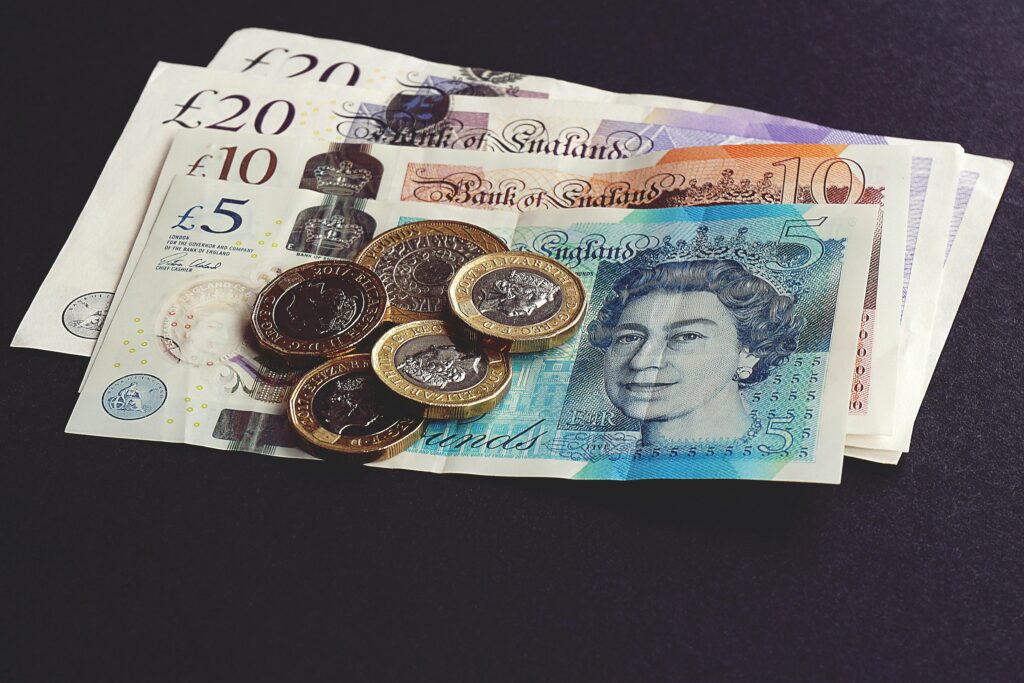
Time is one barrier. Money is another.
We tend to see health spending as optional. A gym membership is too expensive. Personal training is viewed as a luxury. Higher quality food seems too pricey. But we rarely hesitate over a new phone upgrade, a Netflix subscription or eating out. We will finance a car without a second thought, yet fail to invest in the body that really matters to us.
The irony is that good health is priceless and we would pay anything to get it back once it has gone.
As we age, poor health increases the odds of requiring medicines and treatments, often surgery including joint replacements, and cardiac procedures. Sometimes there is a financial cost but always there is a mental and emotional cost. Even with the medication and treatments you’ll likely lose some independence.
There is also the direct financial cost of frailty. You may need help at home. Your home may need adaptations. Or the most expensive of all is the care or nursing home, costing £1000’s each month – suddenly the cost of a gym membership or a personal trainer seem cheap.
The challenge is that decline is gradual. Muscle mass decreases slowly from your 30s. Bone density reduces quietly. Aerobic fitness drops bit by bit. Because it happens over decades, it is easy to ignore. The consequences sit comfortably in the future, and we are notoriously bad at acting on distant risks.
The later you leave it, the more it costs in effort, energy and money. Regaining strength at 70 is definitely possible, but it requires more time and effort than maintaining it from 40.
Think of health like a pension. Small, regular contributions compound. Two strength sessions a week. Daily walks. Consistent sleep. Sensible nutrition. These are modest deposits that build resilience and reduce future expenses.
Your future self will not regret you investing in your health today. But you will pay dearly if you choose not to.